Published: 2nd April 2026

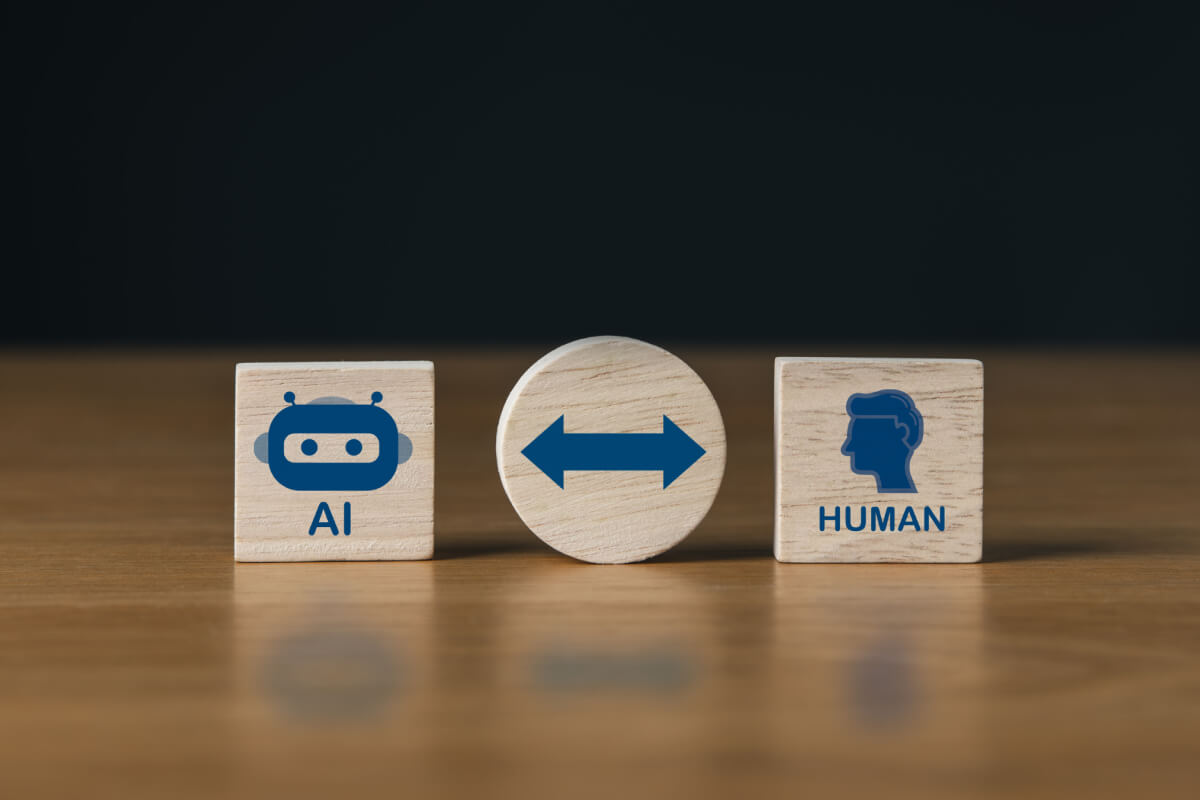
The short answer? Not like people do. Copilot is powerful, but it doesn’t feel, care or read the room. The value comes when we add emotional intelligence (EQ) to what it produces.
Why we humanise AI
We naturally project human traits onto tools that sound like us. That makes outputs feel credible.
Useful, but risky when fluency starts to replace scrutiny.
Clear writing isn’t proof of accuracy.
Confident tone isn’t evidence of understanding.
When emotions run high
Deadlines. Difficult emails. Sensitive conversations.
Copilot can analyse language and reflect patterns in data.
It can’t reliably interpret emotional intent or organisational context.
This is where people step in.
Emotional intelligence turns a well-written draft into something that lands well.
Without it, small tone errors can create friction or risk.
At scale, that becomes an organisational issue, not an individual one.
Is AI a collaborator?
Copilot can support collaborative work.
It can summarise discussions, structure thinking and keep teams aligned.
But it’s not a collaborator in the human sense.
It doesn’t share context.
It doesn’t understand relationships.
It doesn’t carry accountability.
That part remains human.
Simple guardrails for everyday use
What to offload vs keep
Use Copilot for:
Keep human ownership for:
Copilot can assist in all of these areas. It shouldn’t be the final decision-maker.
Bottom line
Copilot speeds up the work. People make the work land.
The organisations seeing value aren’t removing the human layer. They’re strengthening it.
Put emotional intelligence at the centre and use AI to support it.
If you’re shaping Copilot guidance or adoption plans, focus on how people use it, not just what it can do.